A practical guide for beginners ready to pick up a hammer, torch, or saw
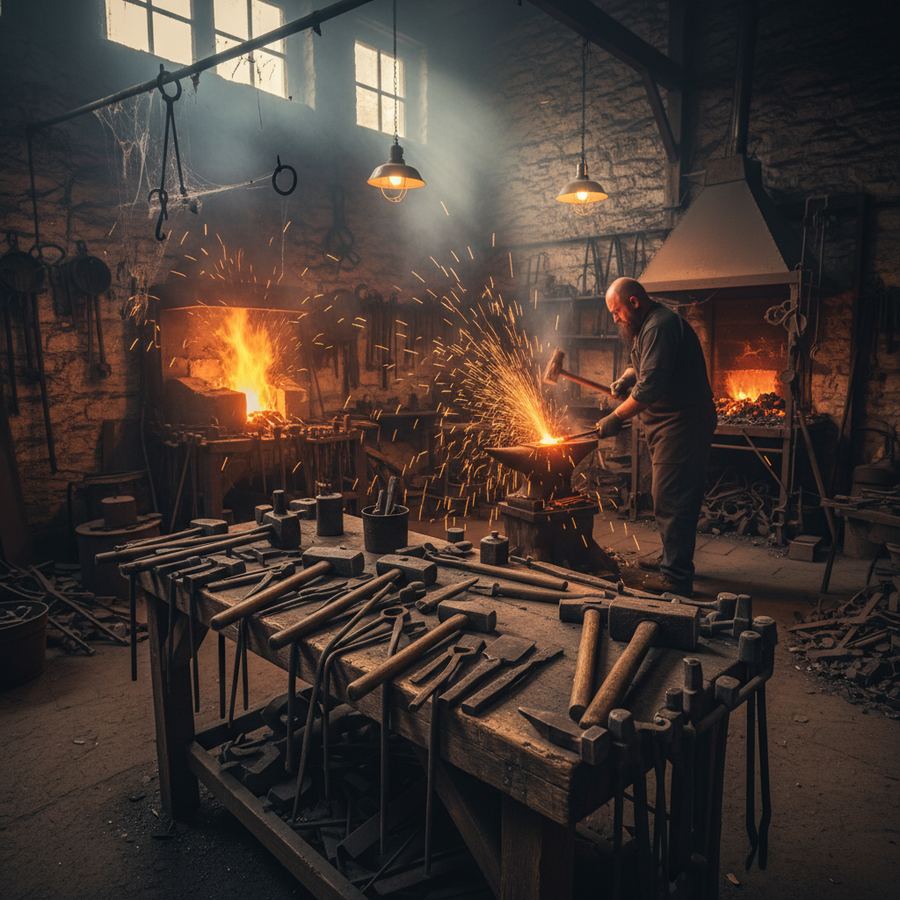
If you have ever watched a blacksmith pull a glowing bar of steel from a forge, or admired a hand-forged gate on a heritage building, or picked up a piece of handmade silver jewellery and wondered how it was made, you have already taken the first step. Curiosity is the only prerequisite for entering the metal arts. Everything else, the tools, the techniques, the material knowledge, can be learned. This guide will help you understand the main branches of the metal arts, figure out which one suits your interests and circumstances, and take your first practical steps toward making things from metal with your own hands.
Choosing Your Path
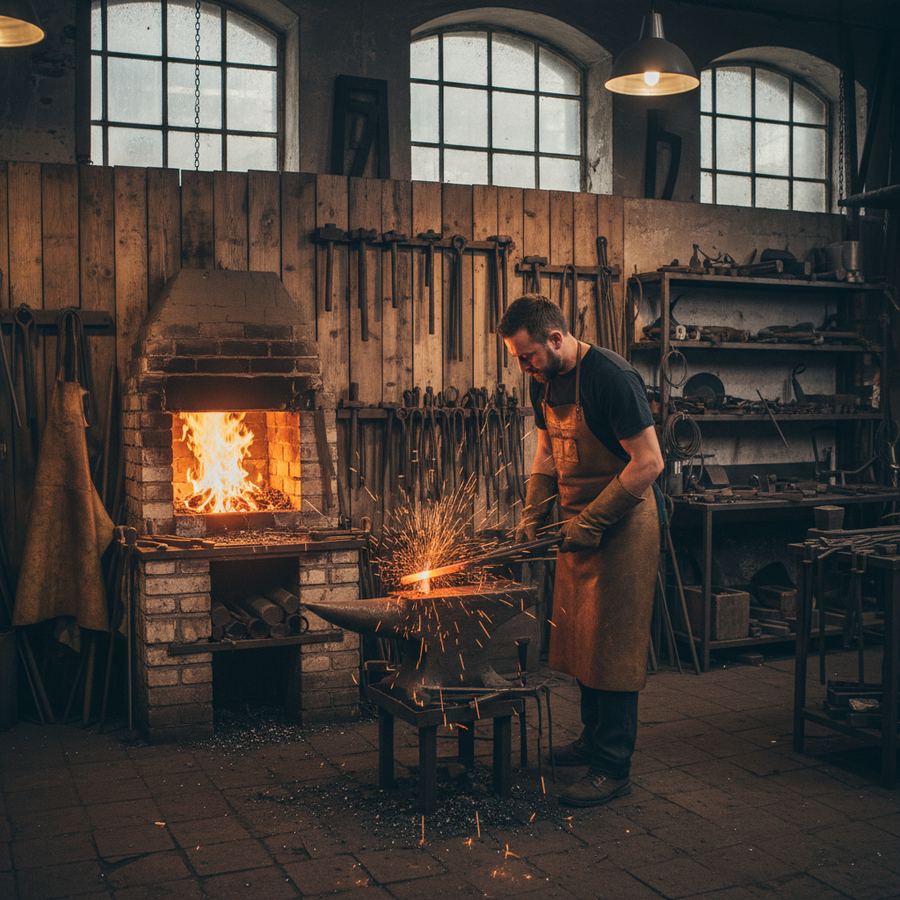
The metal arts include several distinct disciplines, each with its own tools, techniques, and creative possibilities. Blacksmithing uses a forge, an anvil, and hammers to shape hot steel through direct force. It is the oldest of the metal arts and produces everything from functional hardware to sculptural furniture and decorative ironwork. Welding art uses electric arc welding equipment to join metal pieces together, enabling the construction of sculpture, furniture, and architectural elements from steel plate, bar, tube, and found objects. Jewellery metalsmithing works at a smaller scale, using bench tools such as saws, files, torches, and mandrels to shape silver, gold, copper, and brass into wearable objects. Metal sculpture and fabrication draw on all of these techniques and add others, including cutting, grinding, forming, and finishing, to create three-dimensional artwork in metal.
You do not need to choose just one path. Many metal artists work across disciplines, forging one day and welding the next, or combining bench jewellery techniques with blacksmithed elements in a single piece. But starting with a single discipline allows you to build foundational skills efficiently before branching out. Think about what excites you most: the physicality of the forge, the precision of the jewellery bench, or the constructive freedom of the welding table. That excitement will carry you through the learning curve.
Take a Workshop First
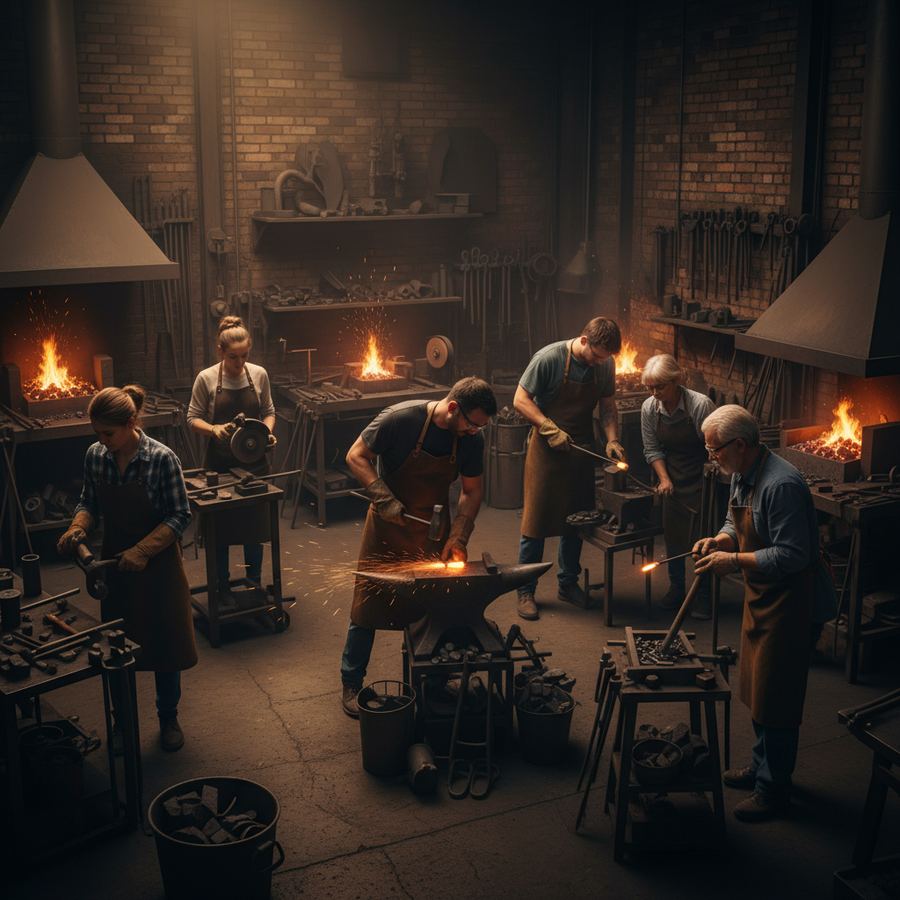
The single best piece of advice for anyone interested in the metal arts is this: take a workshop before you buy any tools. A good introductory workshop will give you hands-on experience with proper equipment, teach you safe working practices from the start, and help you understand whether a particular discipline feels right for you. It will also connect you with an instructor who can answer questions, recommend resources, and point you toward the local metal arts community. Our workshop listings include beginner-friendly options in blacksmithing, welding art, and jewellery metalsmithing at locations across Canada. Most require no prior experience and provide all tools and materials.
Setting Up a Basic Workspace
After your first workshop, you may want to continue practicing at home. Workspace requirements vary by discipline. A basic blacksmithing setup needs a forge (a gas forge is the most practical starting option), an anvil (a good used anvil weighing 100 to 150 pounds is ideal), a post vise, a few hammers, and a set of tongs. This can be set up in a garage, a shed, or an outdoor covered area with good ventilation. A welding setup requires a MIG welder, a welding helmet, gloves, a steel welding table, clamps, and an angle grinder. Ventilation is critical, and many welding artists work in open-air or well-ventilated shop spaces. A jewellery metalsmithing bench can fit in a relatively small room and requires a sturdy table, a jeweller's saw frame, files, a small torch, a bench pin, a mandrel, and basic finishing supplies.
Resist the urge to buy everything at once. Start with the minimum tools you need to practice the techniques you learned in your workshop, and add equipment as your skills develop and your projects demand it. Used tools are often superior to new budget tools in the metal arts, particularly for anvils, vises, and hammers. Check local classifieds, estate sales, and metal arts community boards for quality used equipment at reasonable prices.
Joining the Community
The Canadian metal arts community is welcoming, generous, and remarkably accessible. Provincial blacksmithing guilds hold regular meetings, hammer-ins, and open forge sessions where beginners can work alongside experienced smiths. Craft councils in most provinces offer professional development resources for jewellery metalsmiths and metal artists. Online forums and social media groups connect makers across the country for advice, encouragement, and the sharing of work in progress. Our artist profiles and journal features introduce you to working Canadian metalsmiths whose experience and perspective can inform your own path. Attend events, ask questions, volunteer to help at demonstrations, and do not be afraid to show your early work. Every master smith once forged a crooked hook, and every accomplished jeweller once struggled with a stubborn solder joint. The community remembers its own beginnings and supports those who are just starting out.