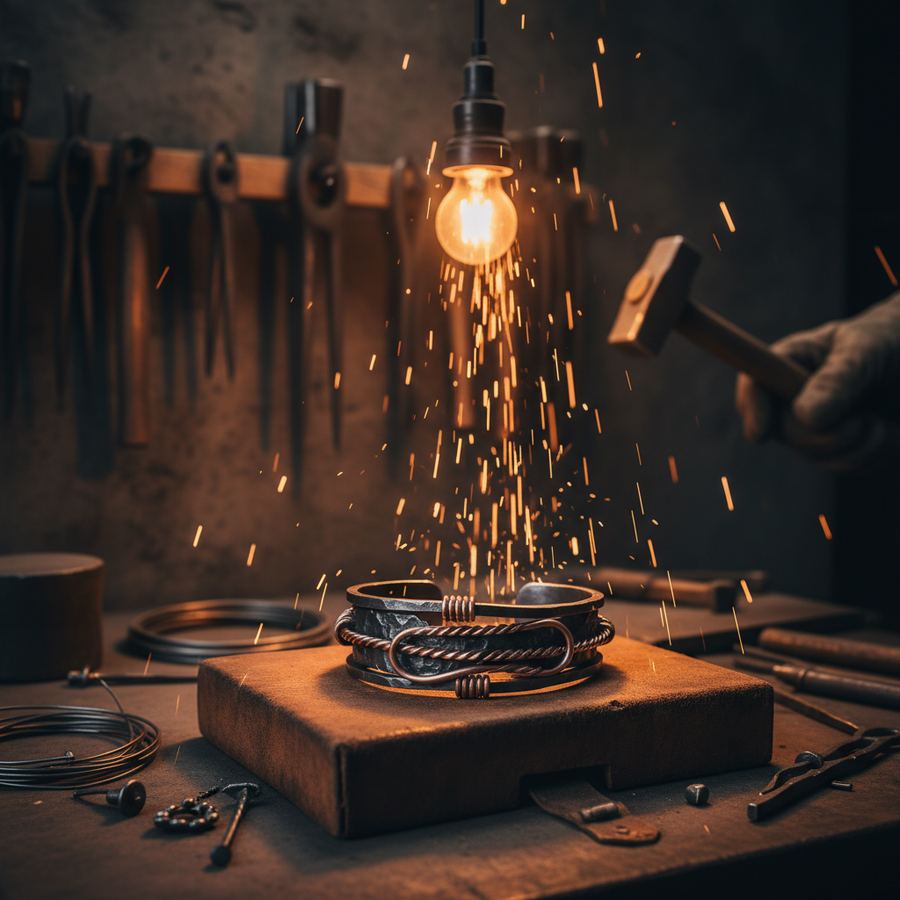
Handcrafted wearable metalwork from Canadian bench jewellers and metalsmiths
The Intimate Scale of Metal
Jewellery metalsmithing is the most intimate branch of the metal arts. Where a blacksmith might swing a four-pound hammer against a bar of steel, a jewellery metalsmith works at the bench with fine saws, needle files, small torches, and precision mandrels, shaping silver, gold, copper, brass, and mixed metals into objects that will be worn against the skin. The scale is small but the skill required is immense. A well-made ring demands clean solder joints, smooth interior surfaces, accurate sizing, and a finish that will hold up to daily wear. A pendant or brooch calls for thoughtful composition, balanced weight, and a clasp or finding that functions reliably while remaining visually integrated with the design.
In Canada, jewellery metalsmithing has deep roots in both Indigenous and settler traditions. Indigenous metalsmiths across the country have worked with copper, silver, and gold for centuries, creating adornment that carries cultural meaning alongside visual beauty. The settler tradition brought European bench techniques such as soldering, stone setting, engraving, and enamelling, and over time these streams have influenced one another in complex and productive ways. Today, Canadian jewellery metalsmiths draw on this combined heritage while also engaging with contemporary art jewellery movements that prioritize concept, material experimentation, and wearability over precious-material value alone.
The technical vocabulary of jewellery metalsmithing is rich. Sawing, filing, sanding, soldering, annealing, pickling, polishing, texturing, forming, raising, chasing, engraving, stone setting, bezel fabrication, prong setting, riveting, and patination are all standard bench operations that a working jeweller may use in a single day. Many Canadian metalsmiths also incorporate non-metal materials into their work, setting stones, incorporating wood, bone, found objects, or enamel into metal frameworks to create mixed-media pieces that expand the boundaries of traditional jewellery.
Studio jewellery in Canada is exhibited and sold through craft galleries, art fairs, artist-run centres, and online shops. Organizations such as provincial craft councils provide professional development, exhibition opportunities, and marketing support for working jewellers. Several Canadian colleges and universities offer diploma and degree programs in jewellery and metalsmithing, producing graduates who go on to establish independent studio practices, teach, or work in the commercial jewellery industry. The field is competitive but there is consistent demand for well-designed, handmade jewellery that offers an alternative to mass-produced commercial work.
Getting started in jewellery metalsmithing is easier than many people expect. A basic bench setup requires a jeweller's saw, a set of files, a small butane or propane torch, a steel bench block, a ring mandrel, some silver or copper sheet and wire, and a pickle pot for cleaning oxidized metal after soldering. Several of our listed workshops provide all tools and materials and will walk you through the fundamentals in a single weekend. From that first soldered ring or textured pendant, many students discover a practice that combines precision, creativity, and the deep satisfaction of making something beautiful with your own hands.
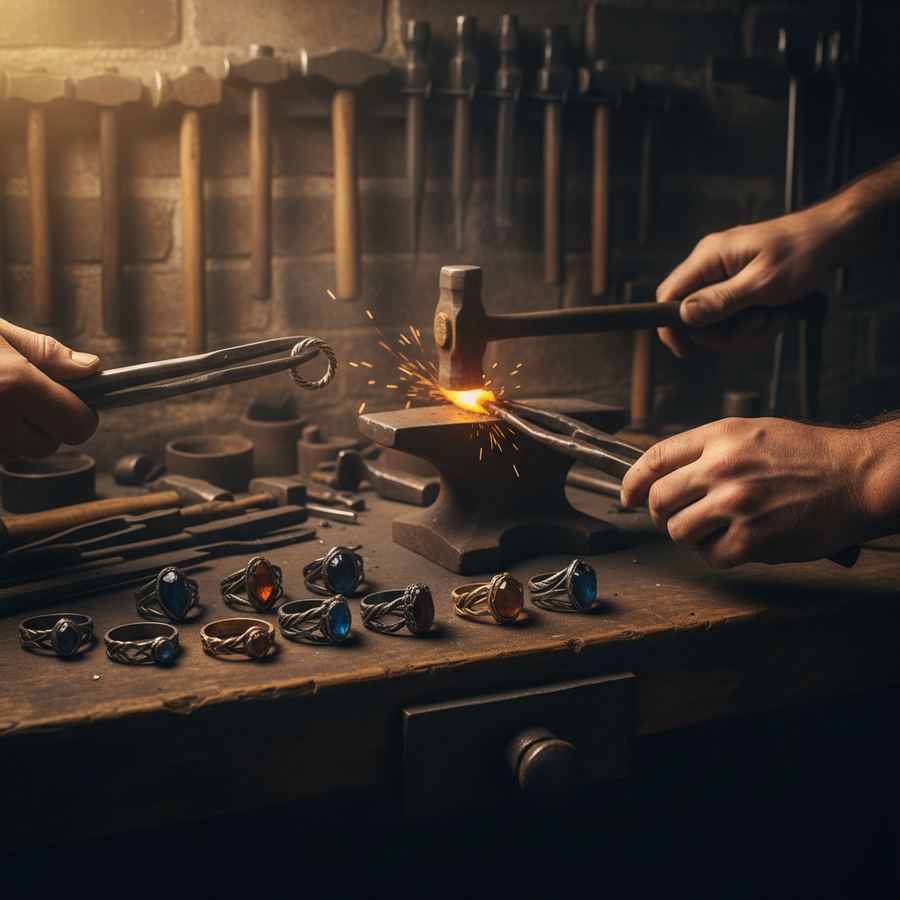
Island Metalcraft, Prince Edward Island
Sterling silver and copper jewellery inspired by Maritime landscapes. Each piece is hand-formed, soldered, and finished at the bench in a Charlottetown studio.
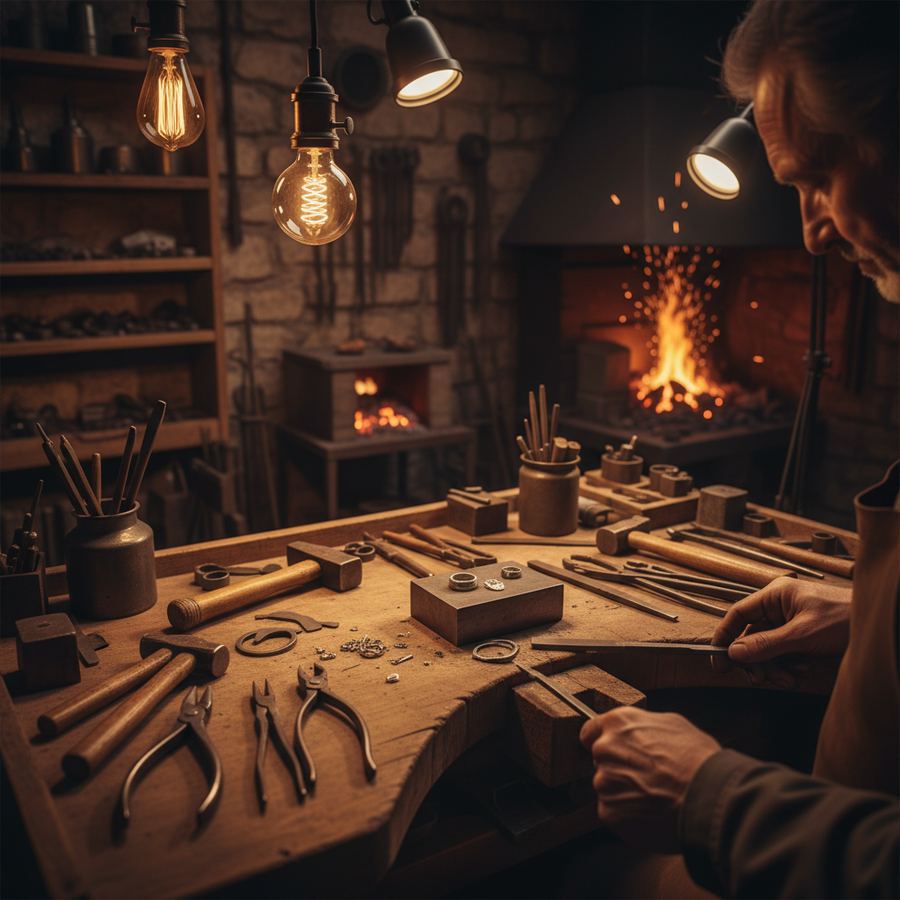
Jewellery Metalsmithing Basics
A weekend workshop covering sawing, filing, soldering, and finishing. You will complete a ring and a pendant using sterling silver, with all tools and materials provided.
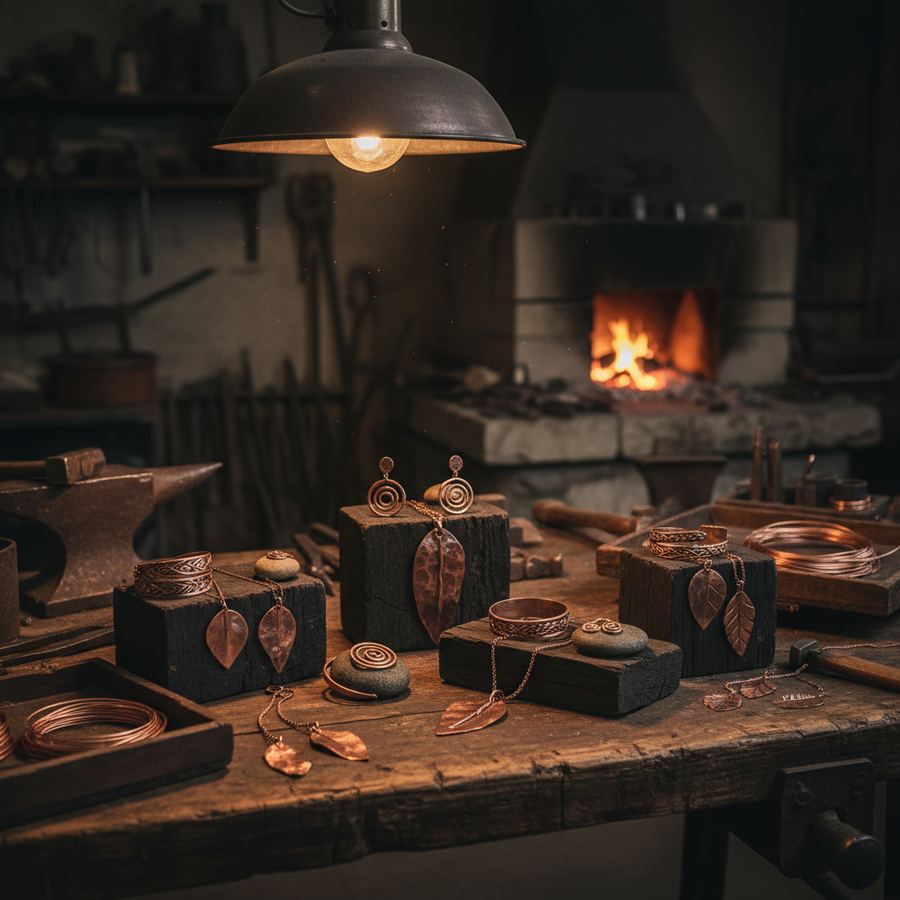
Emerging Makers Showcase
A juried exhibition highlighting new voices in Canadian metal arts, including jewellery metalsmiths in their first five years of professional practice.