Metal Arts Guild | November 14, 2025
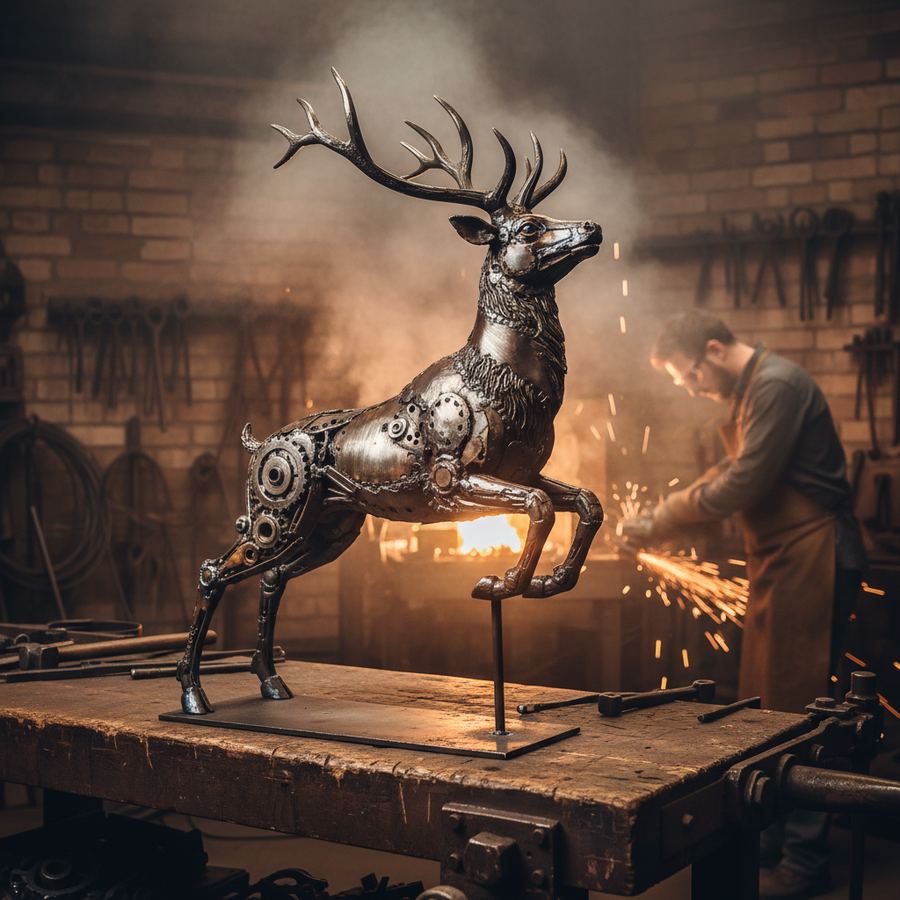
There is a particular thrill in recognizing something familiar inside a work of art. A horse sculpted from old wrenches. A bird whose wings are made of flatware. A human figure assembled from gears, springs, and pipe fittings. Found-object welded sculpture takes discarded metal, things that have already lived one life, and gives them a second existence as art. It is a practice that is simultaneously playful and serious, environmentally conscious and aesthetically ambitious, and it has a strong and growing following among Canadian metal artists.
The found-object tradition in art stretches back over a century. Pablo Picasso and Marcel Duchamp both incorporated everyday objects into their work in the early 1900s. By mid-century, sculptors like David Smith and John Chamberlain were welding together steel and automobile parts into monumental abstract forms. In Canada, the tradition has deep roots in the resourceful, waste-not culture of rural communities where repurposing materials was simply practical common sense long before it became an artistic statement.
Where the Material Comes From
For a found-object sculptor, sourcing material is part of the creative process. Scrap yards, farm auctions, demolition sites, garage sales, and the side of the road all yield treasure. Many artists develop relationships with mechanics, plumbers, electricians, and farmers who set aside interesting pieces rather than sending them to the recycler. Over time, a sculptor's studio accumulates a vast inventory of parts, sorted by size, shape, or material, waiting for the right project to call them into service.
The character of the available scrap shapes the work. A sculptor in agricultural country has access to plow discs, harrow teeth, combine parts, and heavy chain. Someone near an industrial zone finds bearing housings, valve bodies, and structural offcuts. Coastal artists collect marine hardware, anchors, and corroded fittings with the textures of saltwater exposure. This regional variation in raw material gives Canadian welding art a local flavour that new-material fabrication cannot easily achieve.
The Art of Seeing
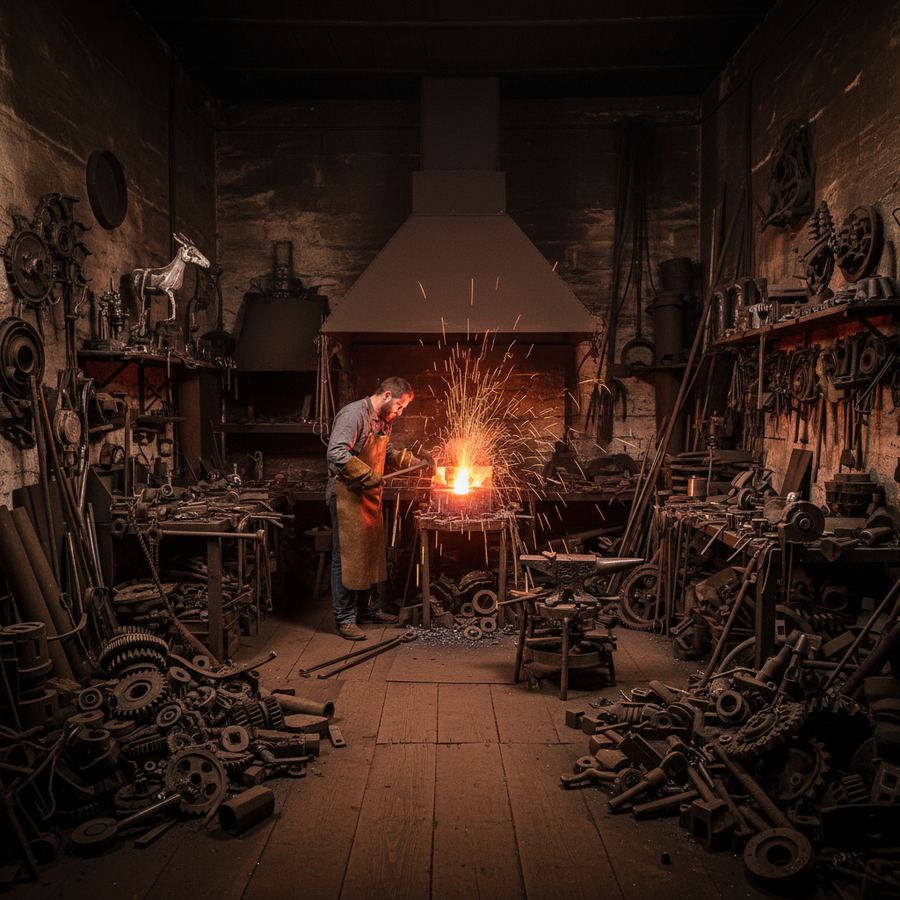
The essential skill in found-object sculpture is not welding. It is seeing. The ability to look at a rusty gear and see an eye, to pick up a crescent wrench and recognize a jawbone, to hold two unrelated objects together and perceive the animal, figure, or abstract form they could become. This kind of visual imagination is the engine of the whole practice. Technical welding skill is necessary to execute the vision, but the creative leap happens before the arc is ever struck.
Many found-object artists describe a process that begins with the material rather than with a predetermined design. They handle objects, turn them, combine them experimentally, and wait for the form to suggest itself. This is the opposite of the engineering approach, where a design is finalized on paper and then executed in material. It requires patience and a willingness to follow where the objects lead, which can produce results that no amount of planning would have generated.
Welding Challenges with Found Metal
Working with salvaged metal presents technical challenges that new-material fabrication does not. The exact alloy of a found object is often unknown, which affects weldability and the choice of filler rod or wire. Surface contamination from rust, paint, grease, plating, and galvanizing must be addressed before welding. Galvanized coatings in particular require careful removal, as welding over zinc produces toxic fumes. Experienced found-object sculptors learn to identify common metals by spark test, colour, and weight, and they keep their work areas well ventilated.
Fit-up is another challenge. Mass-produced components were not designed to nest together into animal forms or human figures. Getting two objects to meet at the right angle, with enough contact area for a strong weld, often requires grinding, bending, or adding small filler pieces. The best found-object work hides this labour, presenting a finished form that looks inevitable, as though the wrench was always meant to be a rib and the bearing was always destined to be a hip joint.
Narrative and Meaning
One of the qualities that makes found-object sculpture so engaging is its inherent narrative richness. Every component carries a history. A sculpture built from old hand tools speaks of manual labour and the passing of trades. A piece made from automotive parts evokes speed, industry, and the disposable culture of modern manufacturing. The viewer reads both the new form the artist has created and the old identities of the parts, and meaning arises from the tension and harmony between the two.
This layered quality makes found-object sculpture especially effective in public settings, where passersby of all backgrounds can engage with the work at multiple levels. A child sees a fun metal animal. An adult recognizes the tools and machine parts and appreciates the ingenuity of the transformation. A viewer with art background considers the conceptual implications of repurposing and transformation. The work operates on all these levels simultaneously, which is a rare achievement in any medium.
Sustainability and the Scrap Economy
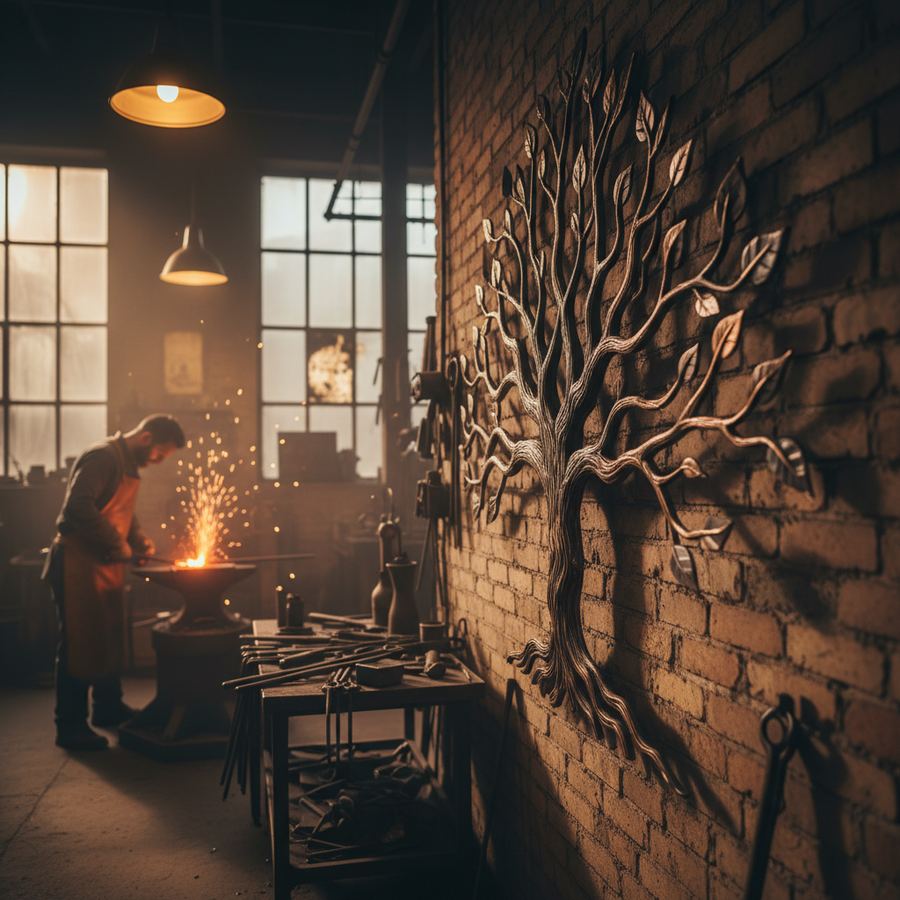
In an era of growing environmental awareness, found-object sculpture carries a built-in sustainability story. The raw material is diverted from landfill or recycling streams and given lasting value as art. The energy footprint of the work is minimal compared to casting new bronze or smelting virgin steel. While no one should overstate the environmental impact of individual art practices, the ethos of reuse and transformation resonates strongly with audiences who care about waste reduction and thoughtful consumption.
Some Canadian found-object sculptors have leaned into this aspect of their practice, explicitly framing their work as a commentary on disposability and the lifecycle of industrial goods. Others simply enjoy the material and aesthetic qualities of salvaged metal and let the sustainability dimension speak for itself. Either approach is valid. The important thing is that the work is good, and that the recycled origin of the material serves the art rather than substituting for it.
Getting Started
For makers curious about found-object sculpture, the barrier to entry is low. A basic MIG welder, an angle grinder, safety equipment, and a pile of interesting scrap are enough to begin. The learning curve is more about developing the sculptor's eye than mastering advanced welding techniques, though both skills grow together with practice. Starting small, a single animal, a wall piece, a garden ornament, builds confidence and trains the eye for larger, more ambitious projects down the road.
Canada's vibrant metal arts community includes many found-object specialists who are generous with advice and encouragement. Seeking them out, attending demonstrations, and studying their work closely is the best education available. The scrap pile is waiting. All it needs is someone willing to see the art inside it.