Tomas Benavides | British Columbia | Welding Art
About the Practice
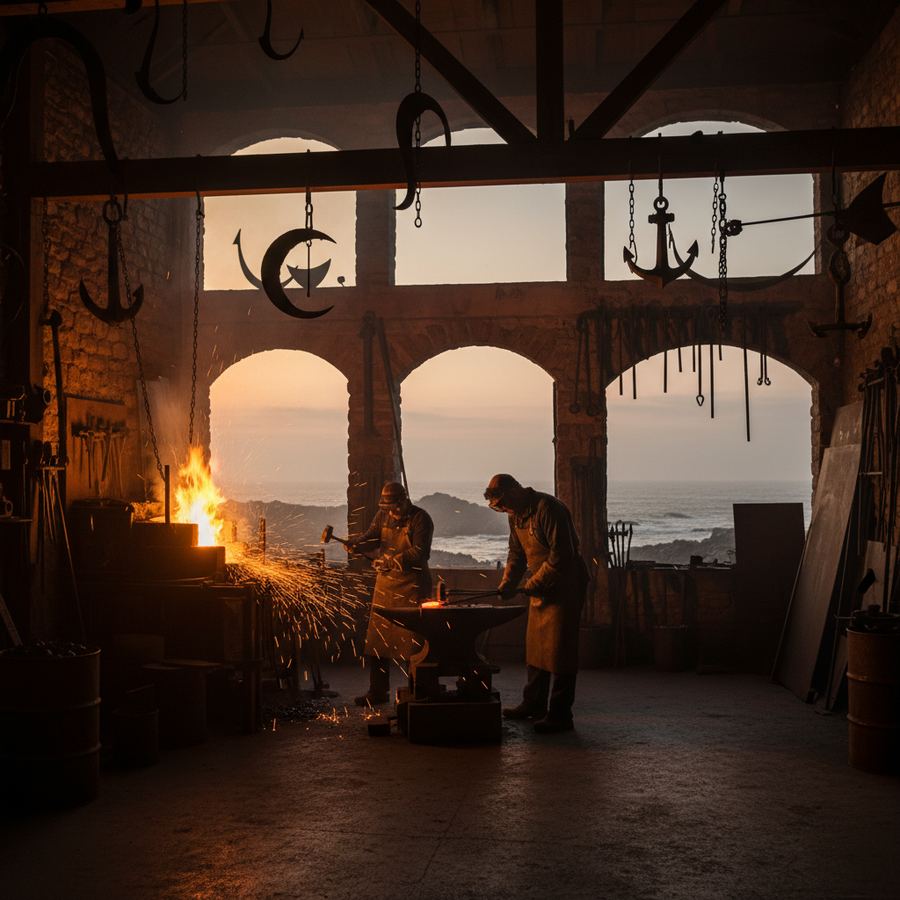
Coastal Metalworks occupies a corrugated-steel workshop at the edge of a boatyard in Ladysmith, British Columbia, on the east coast of Vancouver Island. The studio's proximity to the water is not incidental. Sculptor and welder Tomas Benavides draws his subject matter almost entirely from the marine environment, creating metal sculptures of sea creatures, tide pool organisms, kelp forests, and coastal landforms. He has worked from this location since 2012, after spending a decade as a marine welder and fabricator in shipyards and fish processing plants along the BC coast. That industrial background gave him fluency with steel, stainless steel, aluminum, and bronze, as well as a deep respect for the ocean and the organisms that inhabit it.
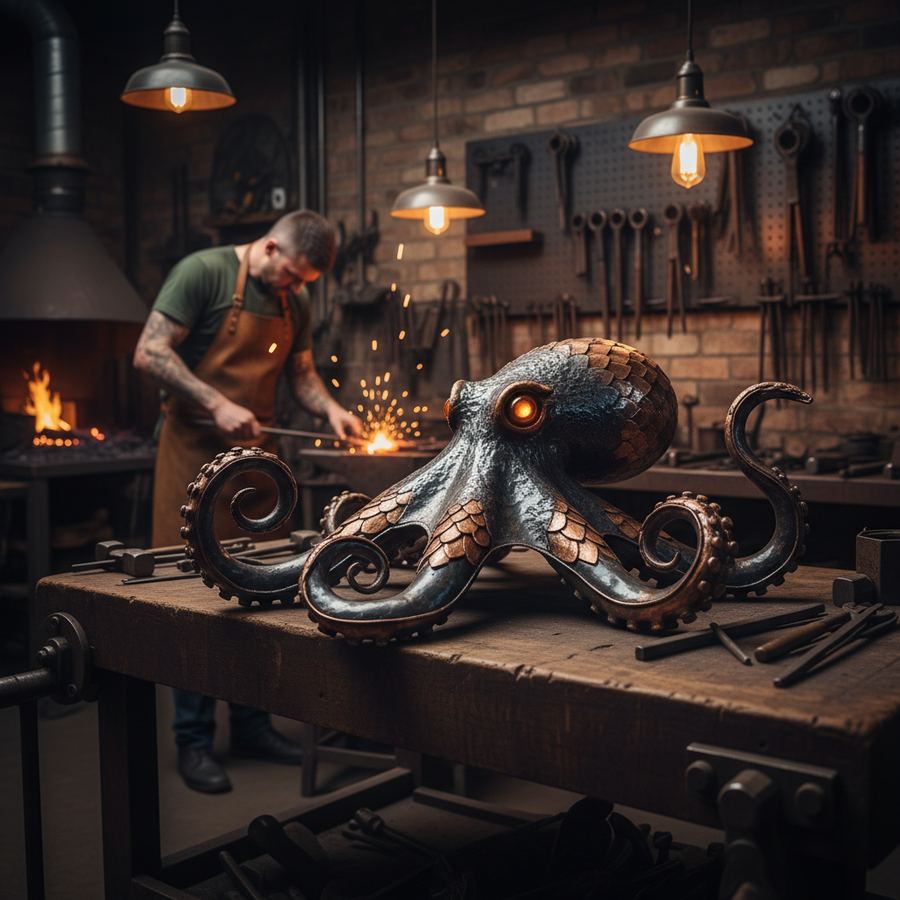
Tomas was born in Nanaimo to a Chilean father and a Canadian mother. He grew up around boats and water, spending summers fishing with his grandfather in the Gulf Islands and winters tinkering in the family garage. He learned to weld at sixteen in a high school shop class and immediately recognized the creative potential of the process. But it took years of commercial welding before he found the confidence to pursue sculpture seriously. The turning point came during a layoff in 2010, when he built a life-size octopus from scrap steel as a gift for a friend who ran a seafood restaurant. The piece drew so much attention from patrons that Tomas began receiving commissions, and within two years he had transitioned fully to art-based practice.
Marine Subject Matter
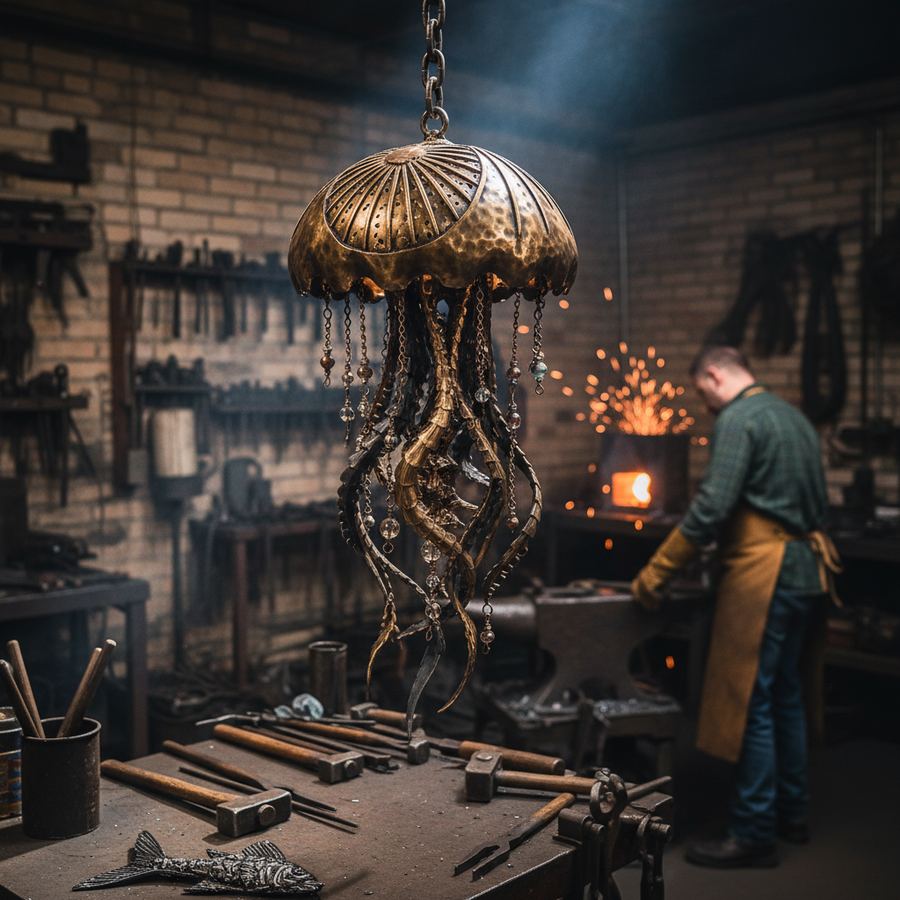
The ocean provides Coastal Metalworks with an inexhaustible vocabulary of form. Tomas has sculpted octopuses, jellyfish, salmon, herons, orcas, sea urchins, starfish, and anemones, among other subjects. His approach to these forms is naturalistic but not strictly realistic. He captures the essential gesture and proportion of each organism while allowing the characteristics of the material to show through. A jellyfish, for instance, is rendered in thin stainless steel sheet, cut into flowing tendrils and domed into a bell shape using an English wheel. The result suggests the translucency and movement of a living jellyfish while remaining unmistakably metallic. An octopus, by contrast, might be built from heavy plate steel with textured surfaces created by layering weld beads and grinding selectively, producing the rough, muscular quality of the animal.
Scale varies considerably across the body of work. Small tabletop pieces, such as a pair of crabs or a cluster of barnacles, sit at one end of the range. At the other end are monumental installations like the twelve-foot Pacific octopus commissioned for the entrance of a marine research centre in Sidney. This piece, completed in 2019, required six months of fabrication and was assembled from over four hundred individually shaped steel components. Its eight arms extend outward and upward from a central body, creating an enveloping form that visitors walk beneath to enter the building. The octopus has become something of a local landmark, frequently photographed by visitors and featured in regional tourism materials.
Materials and Techniques
Tomas works across a wider range of metals than most welding artists. Mild steel remains his primary material for large outdoor sculptures, where the developing rust patina complements the natural setting. Stainless steel is reserved for pieces destined for coastal installations where salt exposure would cause mild steel to deteriorate too rapidly. He uses silicon bronze for smaller works and for accent elements where warmth of colour is desired. Aluminum appears occasionally, valued for its light weight in suspended or cantilevered pieces where structural loads must be minimized.
His welding skills span TIG, MIG, and stick processes, and he selects the method based on the material and the desired surface quality. TIG welding, with its precision and clean bead profile, dominates on stainless and bronze work. MIG handles the bulk of mild steel fabrication where speed and penetration matter. Stick welding sees use on heavy structural connections and on sculptural surfaces where the coarser bead texture adds visual interest. Beyond welding, Tomas employs plasma cutting, oxy-acetylene cutting and heating, hydraulic bending, and extensive hand grinding and polishing. The English wheel in his shop, acquired from a retiring auto body restorer, has become essential for forming the compound curves found in his marine subjects.
Functional Art and Garden Pieces
Not all of Coastal Metalworks' output is purely sculptural. Tomas produces a line of functional art and garden pieces that bring marine themes into everyday settings. These include gate panels featuring kelp and fish motifs, garden stakes shaped like herons and driftwood, fire pits with wave-cut openings, and mailbox posts topped with miniature lighthouses. These pieces sell through galleries in Victoria, Tofino, and Salt Spring Island, as well as directly from the studio. They occupy a middle ground between art and craft that Tomas navigates comfortably. He sees no contradiction between the monumental octopus and the mailbox lighthouse. Both require the same welding skills, the same eye for proportion, and the same affection for the coastal environment.
The garden pieces have introduced Tomas's work to a broader audience than the gallery sculptures alone might reach. Homeowners who may never set foot in a contemporary art gallery encounter his heron stakes at a garden centre and are drawn to the quality of the metalwork and the liveliness of the forms. Some of these buyers eventually commission larger works for their properties, and several of Tomas's most significant private commissions have originated from initial garden piece purchases. This pathway from accessible functional object to ambitious sculptural commission is one he has cultivated deliberately, and it sustains the studio economically while allowing him to pursue his most challenging artistic ideas.
Community and Collaboration
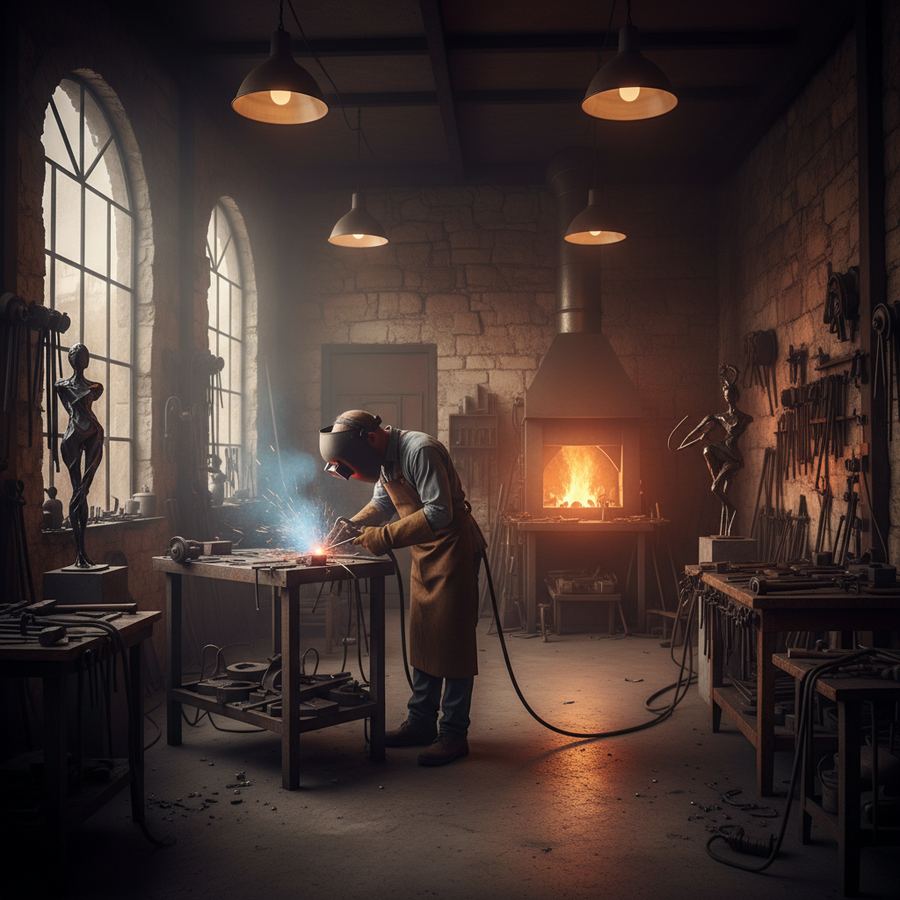
Tomas is active in the Vancouver Island arts community and has participated in group exhibitions, open studio tours, and public art competitions. He maintains a collaborative relationship with several other metal artists in the region, occasionally sharing equipment or assisting with installations that require extra hands. The welding art community in British Columbia, while small, is tightly connected, and Tomas values the mutual support and honest critique that come from working alongside peers who understand the material demands of the discipline.
He has also begun teaching, offering weekend workshops in basic sculpture welding at his Ladysmith studio. The courses are designed for people with some welding experience who want to explore creative applications of their skills. Participants build a small marine-themed sculpture over two days, learning layout, cutting, forming, and finishing techniques in the process. Tomas finds that many of his students are tradespeople, pipefitters, boilermakers, and autobody workers, who weld competently in their jobs but have never considered the artistic possibilities of the process. Seeing their surprise and satisfaction when they complete their first sculpture is, he says, one of the best parts of his week.
Looking ahead, Tomas has plans for a series of underwater-themed installations designed for public spaces along the BC coast. He envisions groupings of metal sea creatures installed in waterfront parks and pedestrian areas, creating opportunities for interaction and discovery. The project aligns with his broader goal of bringing metal art out of galleries and into the everyday landscape, where it can engage people who might not otherwise encounter contemporary sculpture. It is an ambitious vision, rooted in a lifelong connection to the Pacific coast and sustained by the skills and resourcefulness of a working welder who became an artist.