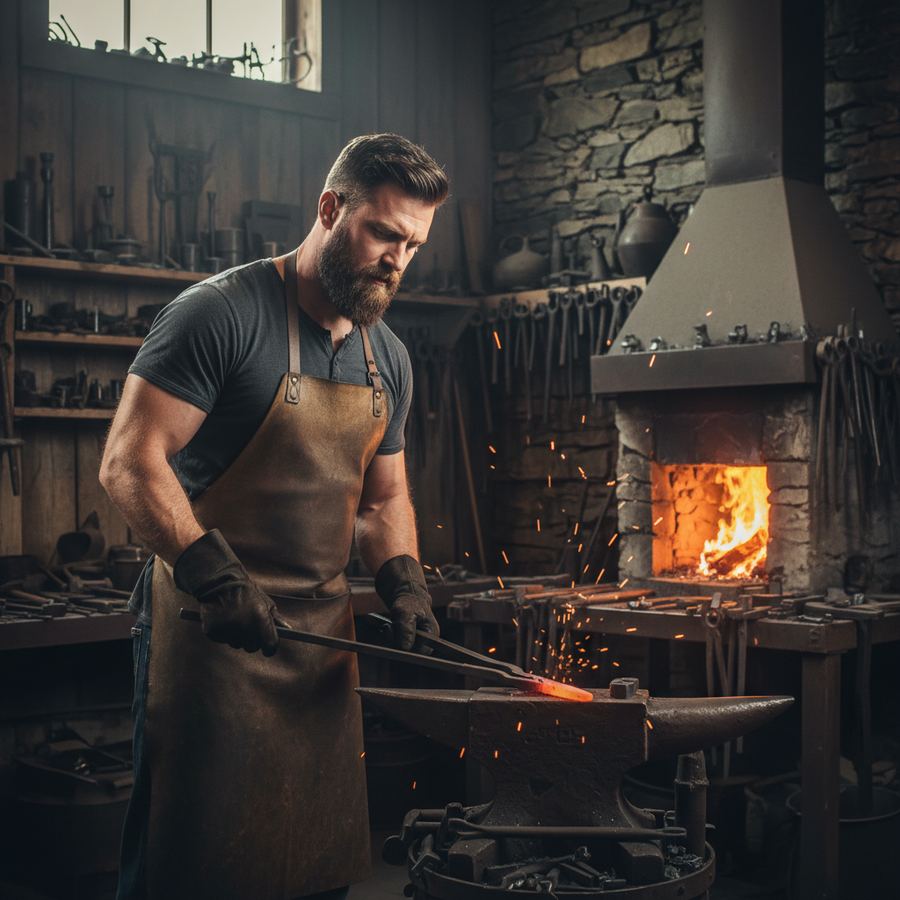
Blacksmithing, jewellery metalsmithing, and forge work along the eastern coast
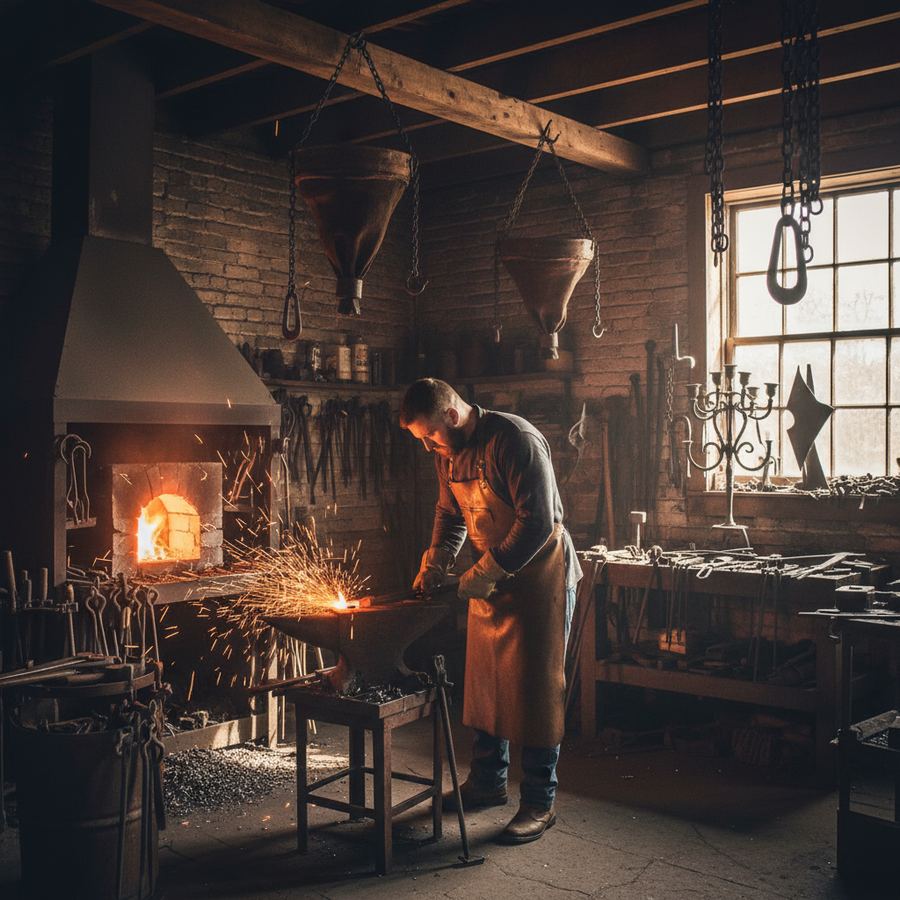
A Maritime Forging Tradition
Atlantic Canada's relationship with metalwork runs as deep as its harbours. Nova Scotia, New Brunswick, Prince Edward Island, and Newfoundland and Labrador all carry forge traditions that date to the earliest European settlements, when blacksmiths were among the first tradespeople established in every coastal community. Ship fittings, anchors, chains, fish hooks, agricultural tools, and domestic hardware all came from the local smith's shop. That heritage of practical ironwork has not disappeared. It has evolved into a contemporary craft scene where working smiths, metal sculptors, and jewellery metalsmiths draw on maritime history while producing work that is entirely of the present moment.
The region's metal arts community is smaller than Ontario's or western Canada's, but it is tightly connected and remarkably productive relative to its size. Makers know each other, support each other's exhibitions, and share resources across provincial boundaries. The culture of mutual aid that defines Atlantic Canadian life more broadly extends naturally into the craft community, creating a collegial atmosphere that newcomers consistently describe as welcoming and encouraging. Provincial craft councils in all four provinces actively support metal arts through grants, exhibitions, retail outlets, and professional development programs.
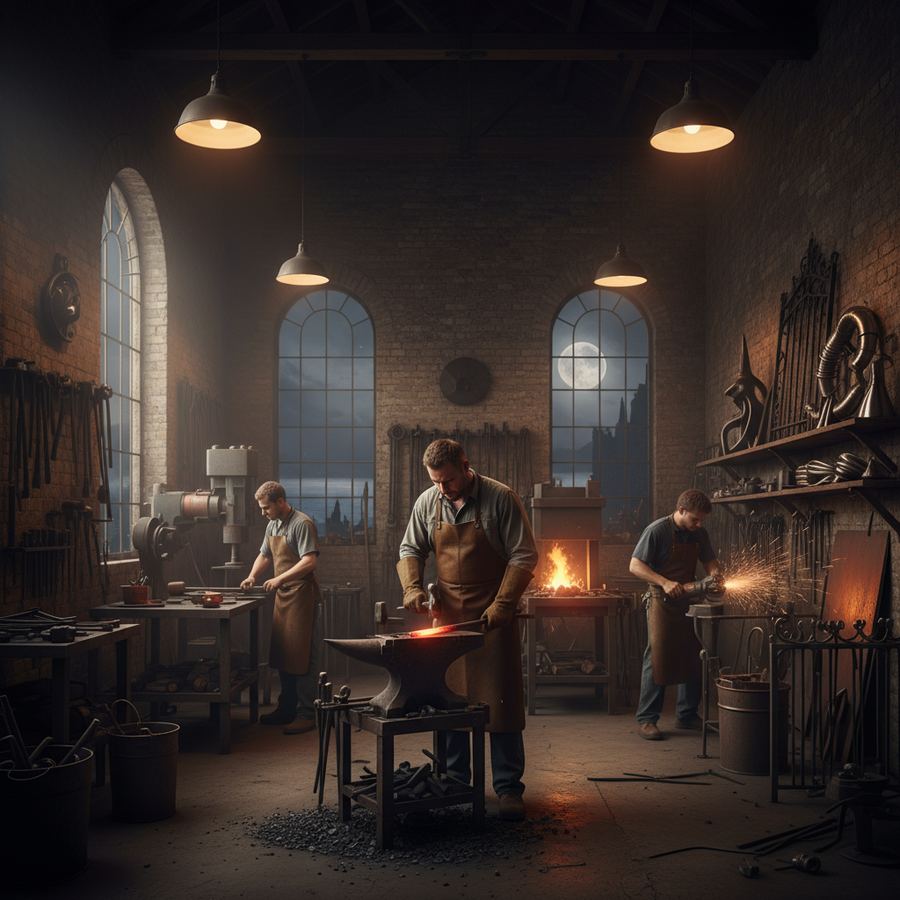
Featured Studio: Harbour Metals, Nova Scotia
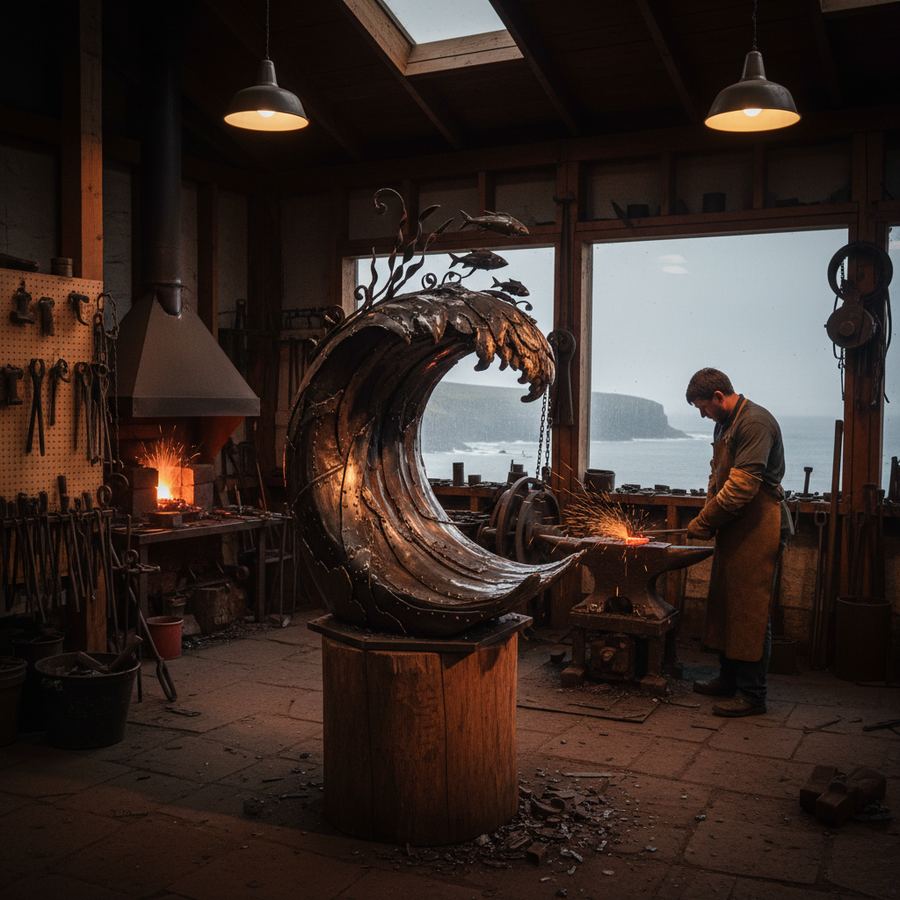
Harbour Metals operates from a converted fish plant on Nova Scotia's South Shore, producing forged and fabricated metalwork that draws directly on the maritime environment. Compass roses cut from steel plate, forged fish weathervanes, marine hardware reproductions, and architectural panels depicting coastal flora and fauna are among the studio's signature works. The shop combines traditional coal-forge techniques with modern fabrication tools, reflecting a practical approach common among Atlantic Canadian smiths who learned by doing and added formal training later. Harbour Metals' work appears in the Forged 2026 national exhibition.
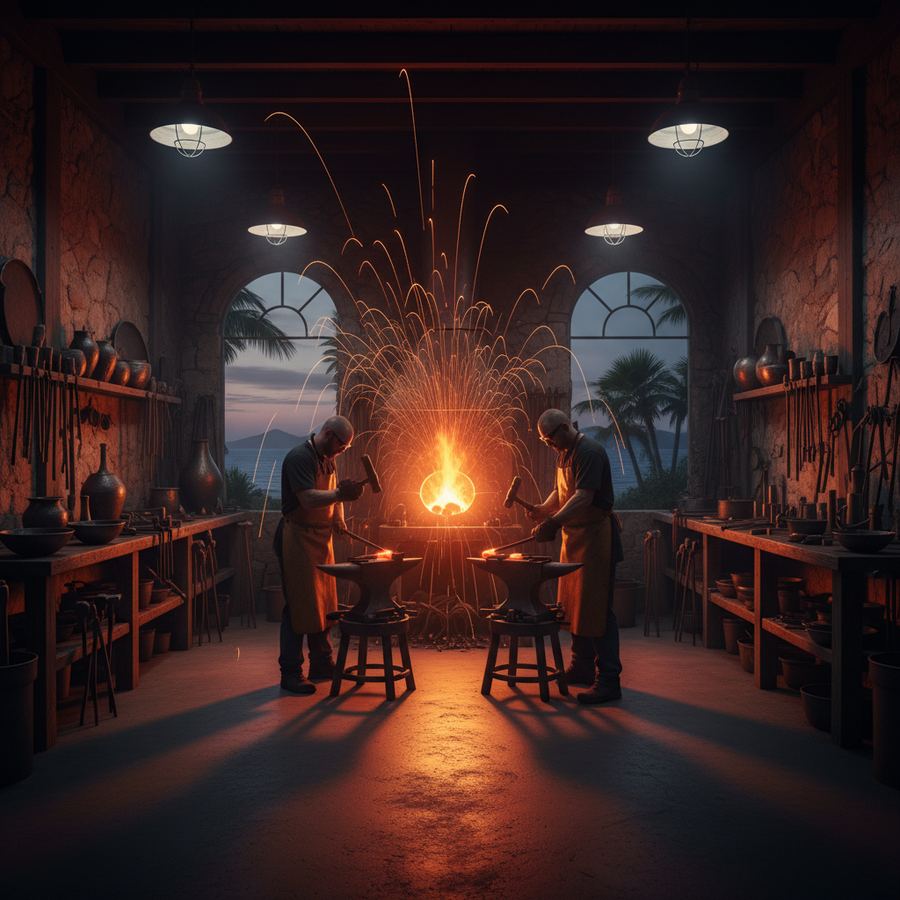
Featured Studio: Island Metalcraft, PEI
Island Metalcraft is Prince Edward Island's most prominent metal arts studio, producing work that spans jewellery metalsmithing, copper raising, and small-scale forging. The studio's raised copper vessels and hand-forged sterling silver rings appear in fine craft galleries across the Maritimes and have been selected for national juried exhibitions including the guild's Emerging Makers Showcase. Based in Charlottetown, the studio also runs introductory workshops for visitors during the summer tourist season, making it a destination for craft-minded travellers exploring the island.
Craft Councils and Community
Atlantic Canada's provincial craft councils play a vital role in supporting metal arts. The Nova Scotia Designer Crafts Council, the New Brunswick Crafts Council, the PEI Crafts Council, and the Craft Council of Newfoundland and Labrador all provide exhibition opportunities, retail gallery space, professional development grants, and advocacy for working makers. The Mary E. Black Gallery in Halifax is a particularly important venue for metal arts, hosting both regional shows and touring exhibitions. The Fire and Form travelling exhibition closes its national tour at the Mary E. Black Gallery, bringing Atlantic Canadian audiences a major survey of contemporary forge-based work.
Annual events such as the Nova Scotia Blacksmiths' Association hammer-in and the Crafts at Christmas sale at the New Brunswick Crafts Council gallery create regular gathering points for the community. These events combine skill sharing, demonstration, and direct sales, giving makers an opportunity to connect with the public and with each other. For metalsmiths working in relative isolation in rural areas, these gatherings provide essential professional and social contact that sustains long-term commitment to the craft.
Workshops and Learning
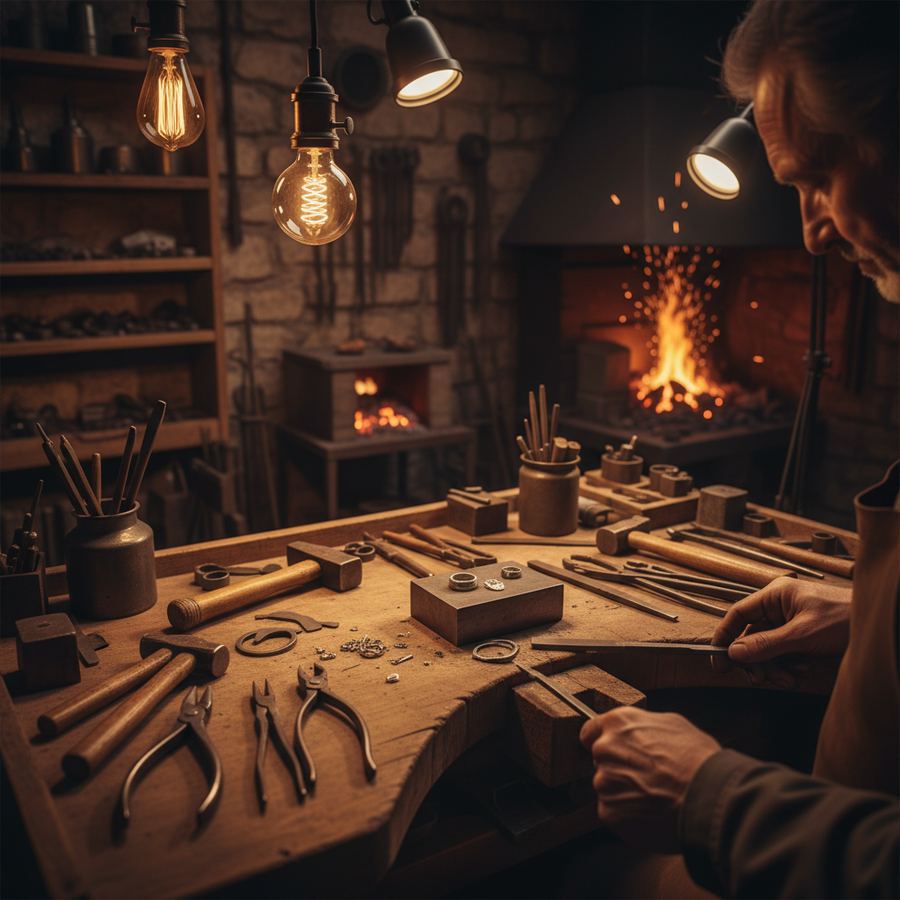
Workshop opportunities in Atlantic Canada are growing. Nova Scotia leads the region with introductory blacksmithing weekend sessions offered through private studios and the Nova Scotia Blacksmiths' Association. Jewellery metalsmithing basics workshops run from studios in Halifax and Charlottetown. New Brunswick's craft community offers occasional forging workshops through its guild network, and Newfoundland's emerging metal arts scene is building workshop capacity as interest grows.
NSCAD University in Halifax has a long-standing jewellery and metalsmithing program that has trained many of the region's leading makers. The program emphasizes material exploration alongside technical skill, producing graduates who think critically about their practice from the start. For those who prefer informal learning, the Nova Scotia Blacksmiths' Association hosts open forge days and group sessions where experienced smiths share techniques freely. Whether you are a local looking to start or a visitor seeking a workshop experience during your trip east, the Atlantic provinces have options worth exploring.
Newfoundland and Labrador's metal arts community is the youngest in the region but growing with energy and purpose. A small number of working smiths on the island produce functional forged hardware, knives, and fire tools, often working from home shops in outport communities where self-sufficiency has always been a way of life. St. John's supports a cluster of jewellery metalsmiths whose work appears in local galleries and at the annual Craft Council of Newfoundland and Labrador Christmas sale. As workshop offerings expand and more makers connect through online and in-person networks, the province is building a metal arts presence that complements its well-established traditions in textiles, ceramics, and woodwork.
Explore Atlantic Canada's Metal Arts
Atlantic Canada's metal arts community is defined by resilience, resourcefulness, and deep roots in maritime craft tradition. The makers here produce work that carries the region's character without being confined by it. To learn more, browse our artist profiles for studios across the four provinces, or check the workshops directory for upcoming sessions. You can also explore what other regions are doing by visiting our Ontario and western Canada pages.